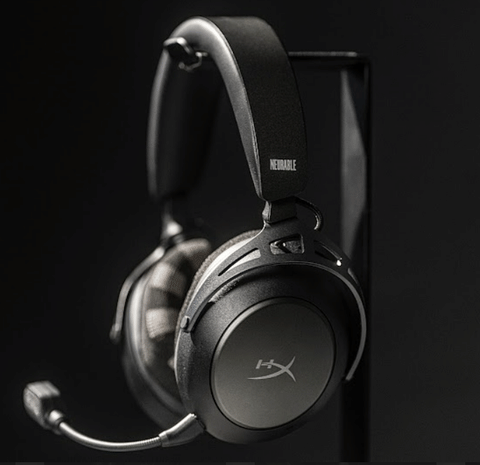
Introducing: “Mindstorm Online: How Neurable and HyperX Built the First Headset That Lets Your Brain Go Live”. This new gaming wearable doesn’t just sit on your head—it listens, learns, and reacts to what is happening inside it. By combining Neurable’s brain–computer interface expertise with HyperX’s battle-tested gaming hardware DNA, the headset promises to make focus, mental stamina, and cognitive performance as measurable as your K/D.
Neurotech under the hood
At the heart of the device are discreet sensors woven into the headset’s band that monitor electrical activity from the brain while you play. Machine-learning models translate those patterns into real-time indicators of focus, fatigue, and cognitive overload, giving gamers a live “mental HUD” overlay for their performance. Instead of guessing when you are tilted, distracted, or in the zone, players can see their brain state visualized as clearly as health bars and cooldowns.
Built for sweats, streamers, and squads
Neurable’s neurotech rides on top of a familiar HyperX-style chassis: plush earcups, tournament-grade audio, and a comfort profile designed for marathon sessions. Competitive players can review post-match “brain VODs,” tracking how clutch moments correlate with spikes in attention or how long scrim blocks push them into mental burnout. Streamers, meanwhile, can turn their neural metrics into on-screen overlays, letting viewers watch their focus peak as they hit impossible shots or nosedive during chaotic team fights.
New meta: training your brain, not just your aim
This headset reframes practice from pure mechanics to holistic mental performance. Players can experiment with warm-ups, routines, and breaks, then see which rituals actually sharpen their neural signature and which are placebo. Over time, teams could optimize schedules around when their collective “brain graph” is strongest, turning scrim calendars into science instead of superstition.
A glimpse of gaming’s neural future
While today’s debut focuses on performance analytics and immersive data, the deeper implication is clear: games are becoming a mainstream frontier for everyday neurotechnology. Just as high-refresh monitors and pro mice made latency and DPI part of gamer vocabulary, Neurable and HyperX are betting that “focus curves,” “fatigue thresholds,” and “neural flow” will soon join the lexicon. In the next era of esports, the most overpowered combo might be top-tier gear, a disciplined mind, and a headset that can finally see what your brain has been doing all along.